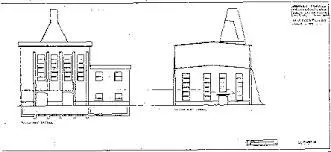
The history of the Oulu Climbing Center building began when construction of Osakeyhtiö Toppila’s factory complex started in June 1930. The factory complex was designed mainly by Alvar Aalto, and it was the first factory complex designed by him. The premises now occupied by the climbing centre originally housed the factory’s power plant. The factory produced sulphite cellulose for two paper mills owned by the Dixon family company in England. In the 1970s, the factory was sold to Kajaani Oy, which was primarily interested in the forest assets included in the deal. Kajaani Oy planned to build a paper mill on the site, but it was never built.
The power plant was closed in 1985, and its newest section has been demolished. The remaining building was inhabited mainly by pigeons until 2012, when renovation work began to turn it into a climbing hall.
Several buildings from the old factory complex remain and have been repurposed:
· Cooking department: housing for young people
· Drying department: Reenis, bouldering hall
· Wood grinding mill: gym
· Wood chip silo/chip storage: Kulttuurisiilo, used for art and culture
· Workshop building: multi-service centre
· Laboratory: now Dixon Club and Top Burger
· Staff apartment buildings: rental apartments